
Latino Access To The Arts In Minnesota
BACKGROUND AND METHODS
Hispanic Advocacy and Community Empowerment through Research (HACER), in collaboration with the Minnesota State Arts Board (MNSAB), conducted a series of community engagement activities within priority communities: Minnesotans of African heritage, Minnesotans of Asian heritage, Minnesotans of Latine heritage, Minnesotans of Native American/Indigenous heritage, Minnesotans with disabilities.
HACER’s role was to gather the necessary information regarding what arts activities the Latino community are currently participating in, what they would like to participate in, and what barriers our Latino community may experience in accessing the arts.
In total, seventy-three participants shared with us their experiences through three online focus groups, ten online interviews, and 48 in-person surveys. The demographic information collected about community member participants included:
• Number of participants
• Age Group
• Race/Ethnicity
• Geography
We also collected information that led us to answer the 3 main questions:
How do members of the priority community currently access artistic, creative, and cultural expressions?
How would community members LIKE or WANT to be able to access artistic/creative/cultural expressions?
What are the gaps or barriers between how community members currently access the arts and how they would like to be able to access the arts?
Below, the most relevant results found after analyzing the information collected:
DESCRIBING THE COMMUNITY
Of the total of 73 participants in this study, 71% (52) were women, and 95% (69) were in the age group of 18–64 years. All of them self-identified as Hispanic-Latino.
Fifty-two percent (38) were residents of the Twin Cities and the metropolitan area, while the remaining 48% (35) were from southern Minnesota cities such as Mankato, Rochester, St James, St Peter, Owatonna, among others.
We chose these cities because, according to the (MCLA), 2023 Minnesota Council on Latino Affairs, “large Hispanic populations are present in Greater Minnesota metropolitan and micropolitan areas in the southern half of the state (Rochester, Worthington, Faribault-Northfield, Willmar, Austin, Mankato). Micro areas in the southern half of Minnesota have the highest concentrations of Latinos”.
Other areas with large Latino populations are northern metro areas bordering other states (Fargo-Moorhead, Greater Grand Forks, Duluth-Superior).
Our participants spoke mostly Spanish, although some of them were bilingual and a few (especially the younger ones) spoke only English.
Regarding the country of origin, most of the survey’s participants were from Mexico (38%), while 23% were from the United States and the remaining 60% were from different countries in Central and South America. Table 1 provides a detailed look at participant country of origin.
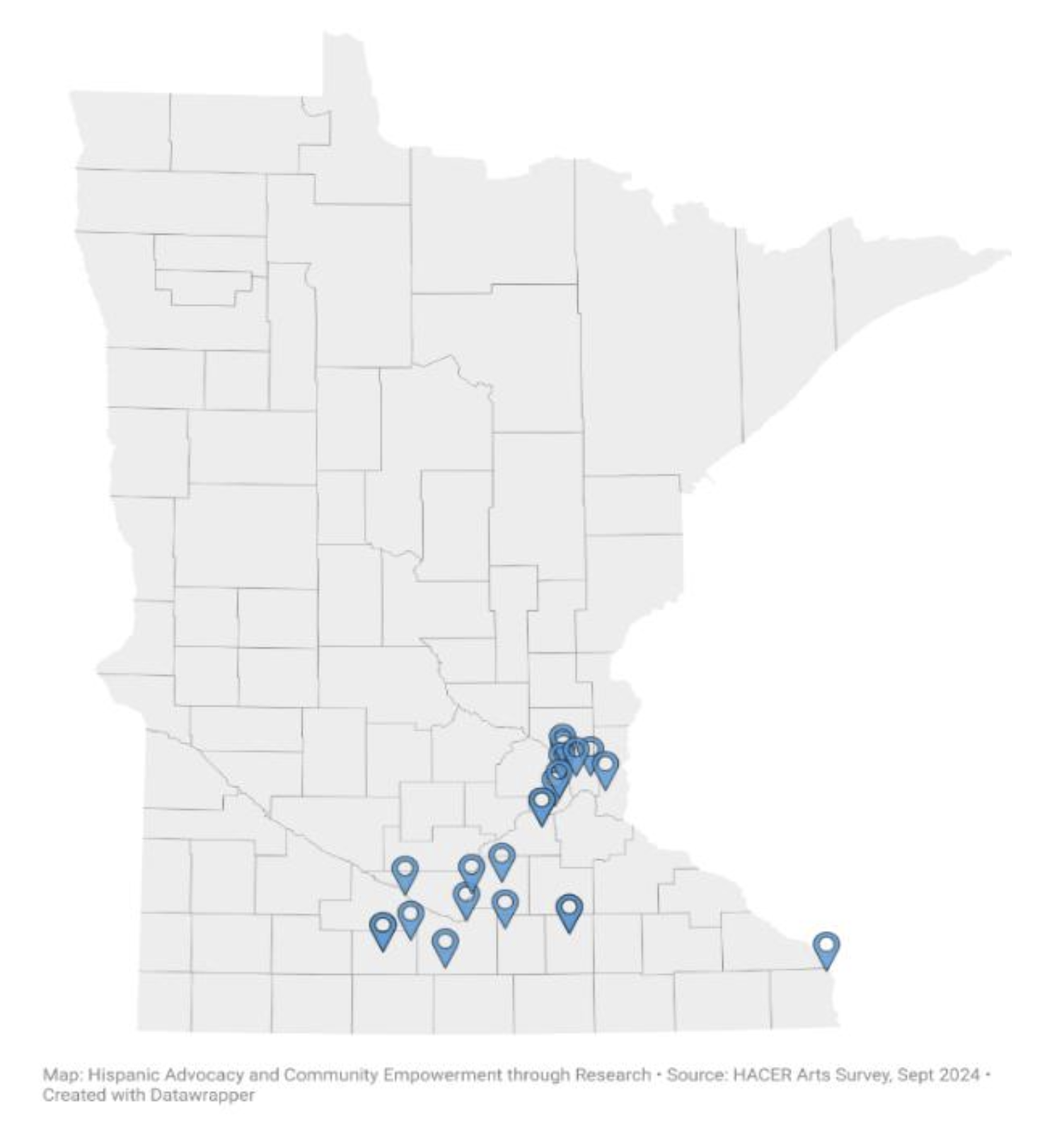
Table 1. Country of origin of survey respondents
Country | Count | Percent
Mexico | 18 | 38%
USA | 11 | 23%
Ecuador | 5 | 10%
Nicaragua | 4 | 8%
El Salvador | 3 | 6%
Peru | 2 | 4%
Guatemala | 1 | 2%
Costa Rica | 1 | 2%
Venezuela | 1 | 2%
No data provided | 2 | 4%
Grand Total | 48 | 100%
As of 2021, according to an article published in the Minnesota Compass, more than 345,000 people of Latino descent lived in Minnesota, representing 6% of the state’s total population. Latino population growth in Minnesota has been increasing by about 38% since 2010, which is quite significant when compared to the 8% growth in the state’s total population.
Within this Latino population there is a great diversity, from residents born in the United States who descend from a specific Latin American culture to those who were born in a country south of the border and who have just immigrated.
Minnesota’s Latino population is made up of people from diverse cultures who also differ according to age and gender, educational level, and health status.
Latinos from Mexican origin are the largest group of Latinos in Minnesota. Mexican Minnesotans make up the third largest cultural group in the state, with 213,800 residents.
Other Latino cultural groups in Minnesota, in order of size, are Puerto Rican, Salvadoran, Guatemalan, Ecuadorian, Cuban, and Colombian Minnesotans.
The profiles reveal that there are large socioeconomic disparities, mostly in educational attainment among distinct cultural groups. For instance, among Mexicans, 37% have less than a high school diploma, compared to 6% of Colombians, and 9% of Puerto Ricans.
On the other side of the spectrum, 31% of Puerto Ricans have some level of college education, while 47% of Colombians have earned a bachelor’s degree or higher.
These groups also differ in their economic situation and in their access to housing. For instance, the median household income ranges from $33,000 among Salvadorians to $69,100 among Colombians (Gutierrez & Richmond, 2021).