Preventing Opioid Harm in Minnesota's Latino Community
A crisis we can prevent—together.
Since 2016, more than 150 Latino families in Minnesota learned about opioids or fentanyl for the first time after losing a loved one.
👉 Don’t let this happen to your family.
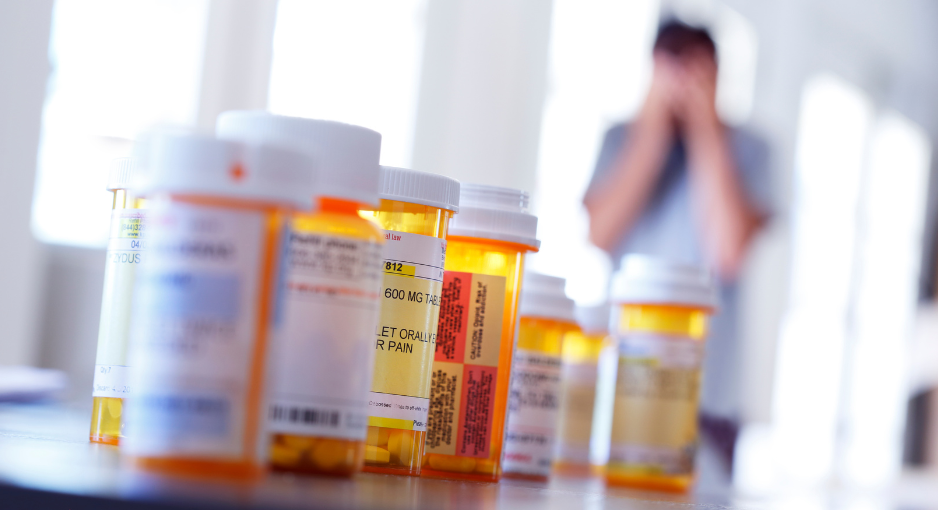
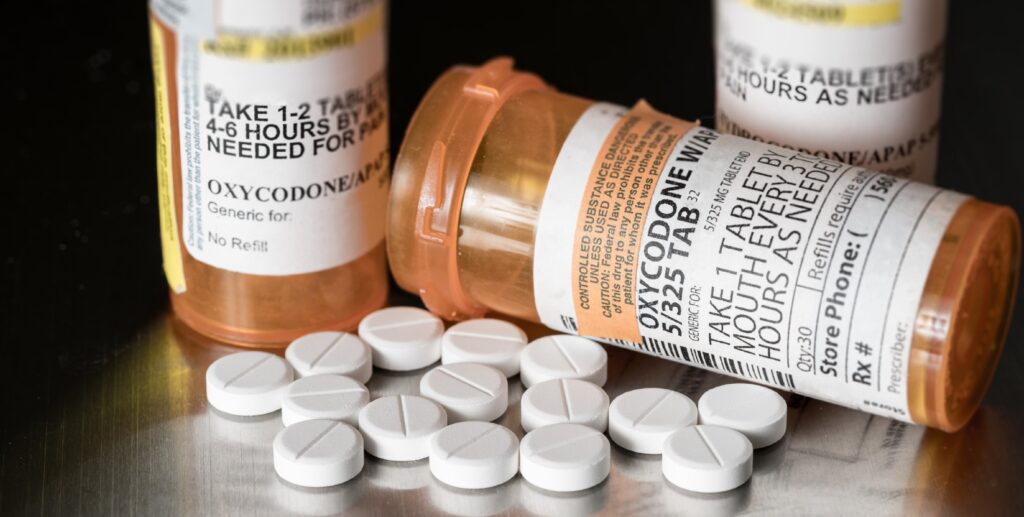
Opioids are powerful medications that may already be in your community, even if you don’t use them. A single pill—whether prescribed or bought without knowing the risks—can cause addiction, overdose, or death.
👉 One pill can create dependency. One pill can kill.
Perder un hijo por una sobredosis de opioides | BrandShare | Hospital Panamericano

SECTIONS
WHY YOU NEED THIS INFORMATION
Even if you don’t use prescription drugs, awareness protects your family and neighbors.
- 35% of Minnesota households have an opioid prescription.
- Even if opioids aren’t in your home, they may be in your neighborhood, social circles, or schools.
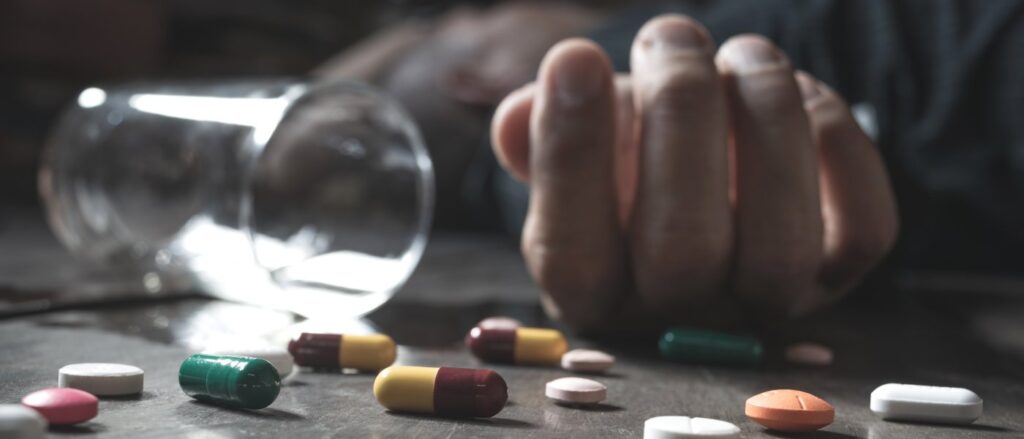
- Pills bought outside a pharmacy are at high risk of containing fentanyl, the leading cause of overdose deaths in Minnesota’s Latino community.
Knowledge saves lives.
This page will help you understand:
- What opioids and fentanyl are
- Why they’re dangerous
- How to test pills
- How to talk to your family
- How to identify overdose
- How to save a life with Narcan
WHAT YOU NEED TO KNOW
Why are opioids prescribed at all?
They can be helpful after surgeries or injuries when used safely:
- Right person
- Right dose
- Right reason
- Right way
- Right time
What are Opioids?
Medications used to treat strong pain. They change how the brain responds to pain, and even one use can lead to addiction or overdose.
Why can prescriptions be dangerous?
Even when prescribed correctly:
- Opioids can become addictive
- 1 in 4 patients misuse their prescription
- Some people develop tolerance and dependency quickly
How misuse happens:
- Taking the medication more often or longer than prescribed
- Sharing pills with family or friends
- Buying pills outside a pharmacy (higher risk of fentanyl contamination)
WHAT IS FENTANYL?
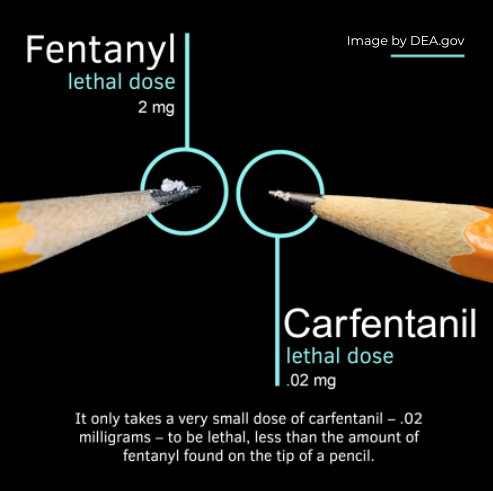
Fentanyl is a synthetic opioid 50-100 times stronger than heroin.
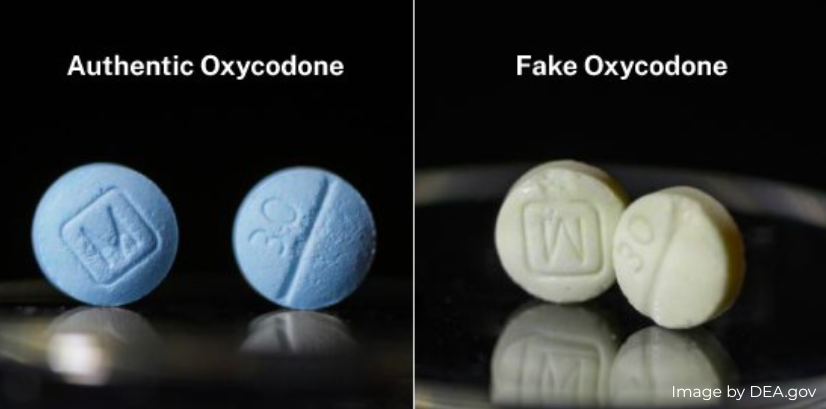
Most fentanyl-related deaths come from fake pills, not from prescriptions.
- Accounts for 20% of overdose deaths nationwide
- Causes 90% of opioid-related deaths in Minnesota’s Latino community
RISKS & PREVENTION
1. Identify Opioids
Opioids do NOT say “opioid” on the label.
They have many medical and street names.
Resources:
📄 Download: Opioid Names Guide
📄 Emoji Guide for Drug Sales on Social Media
2. Test medications for Fentanyl
Sharing medications is common in Latino communities, but dangerous.
Use fentanyl test strips to reduce risk.
▶️ Video: How to Test Pills
Remember: Testing part of a pill does not guarantee the whole pill is safe.
3. How to talk about opioids
With doctors or pharmacists:
- “Is this an opioid?”
- “Are there safer options for pain?”
- “Will this interact with other medications?”
With family and youth:
Speak with calm, kindness, and no judgment:
- “Just like we look both ways before crossing the street, we also need to be safe with medications.”
- Explain risks of fake pills and fentanyl
- Encourage honesty
- Create an “exit plan” for peer pressure
- Establish safe storage for medications at home
UNDERSTANDING ADDICTION
Addiction is not a moral failure.
It is a medical condition caused by changes in the brain.
Like stepping into a river:
- You choose to enter
- But the current can pull you somewhere you didn’t intend
How to talk about opioids
❌ Only “heavy drug users” can get addicted
✔️ Anyone can, even with prescriptions
❌ Addiction develops slowly
✔️ It can happen after a single use
❌ Addiction is not treatable
✔️ With support and treatment, recovery is possible
RECOGNIZING AN OVERDOSE
Common signs:
- Slow or no breathing
- Blue lips or nails
- Very small pupils
- Cold or pale skin
- Unresponsiveness
- Raspy breathing or gurgling sounds
6 Steps to Save a Life:
- Call 911
- Administer Naloxone (Narcan)
- Try to keep the person awake
- Roll onto their side
- Stay with them
- Give a second dose if needed
Video: How to Use Narcan
Is it safe to help?
Yes. Narcan is safe even for children and won’t hurt someone if opioid overdose is not the cause.
Worried about police attention?
Minnesota’s Good Samaritan Law offers protection when you call 911 for an overdose.
You are protected from:
- Charges for calling for help.
- Charges for possession or use during an overdose.
Important:
- The law does NOT protect against immigration-related consequences.
Local protections:
- Some cities have Sanctuary or Separation Ordinances that may reduce immigration-related risks, but this varies by location.
RESOURCES & SUPPORT
✔️ Mental Health:
Fact Tracker MN
651.426.6347 | fasttrackermn.org
✔️ Recovery:
Minnesota Recovery Connection
612.584.4158 | minnesotarecovery.org
Minnesota Adult & Teen Challenge
612.373.3366 | mntc.org
✔️ Naloxone training and more resources:
Steve Rummler Hope Network
952.943.3937 | steverummlerhopenetwork.org
Preventing Opioid Harm in Minnesota's Latino Community